
SERVICES PROVIDED
- ARCHITECTURAL DESIGN
- ELECTROMECHANICAL DESIGN
- ENERGY STUDY
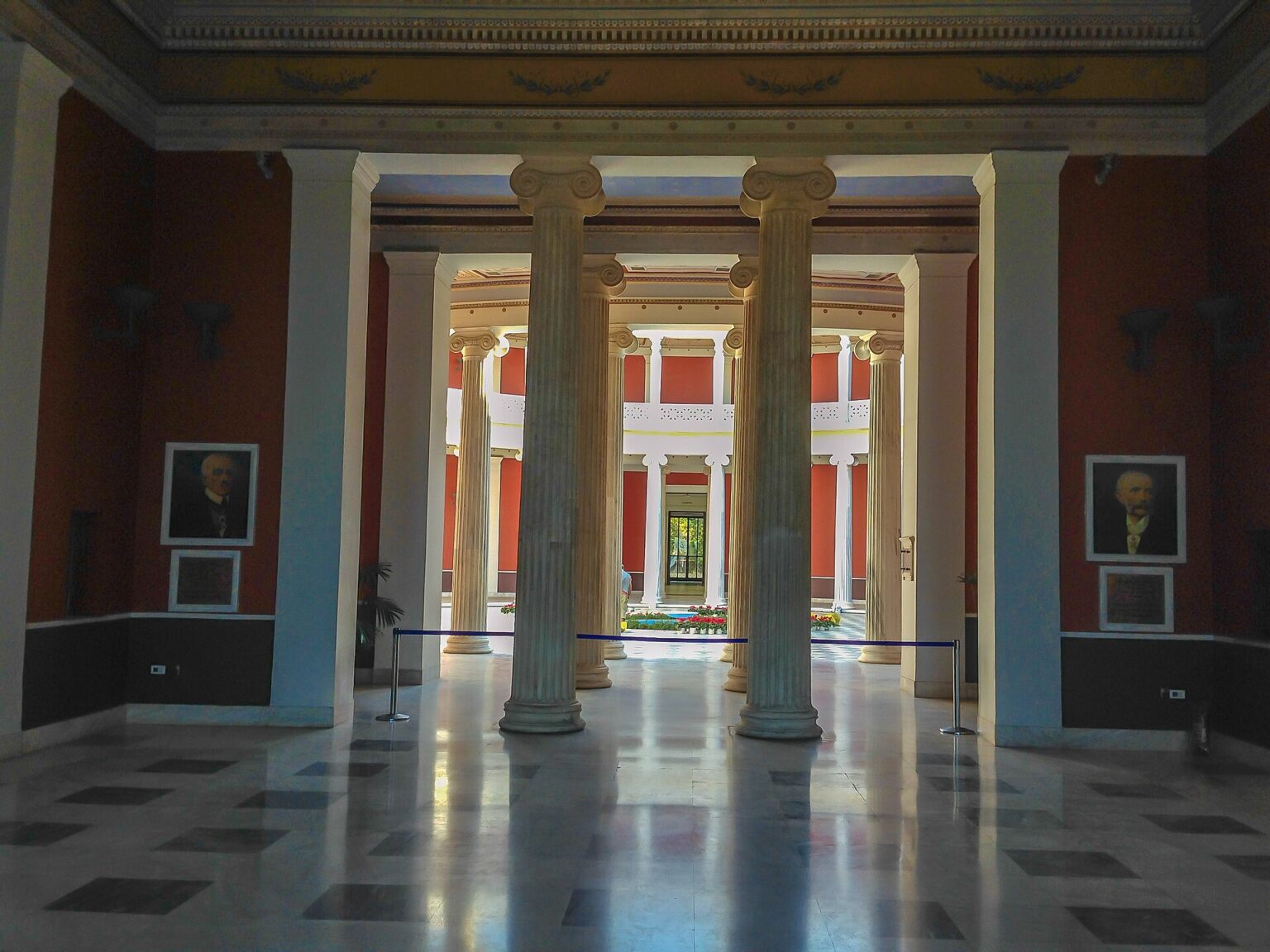
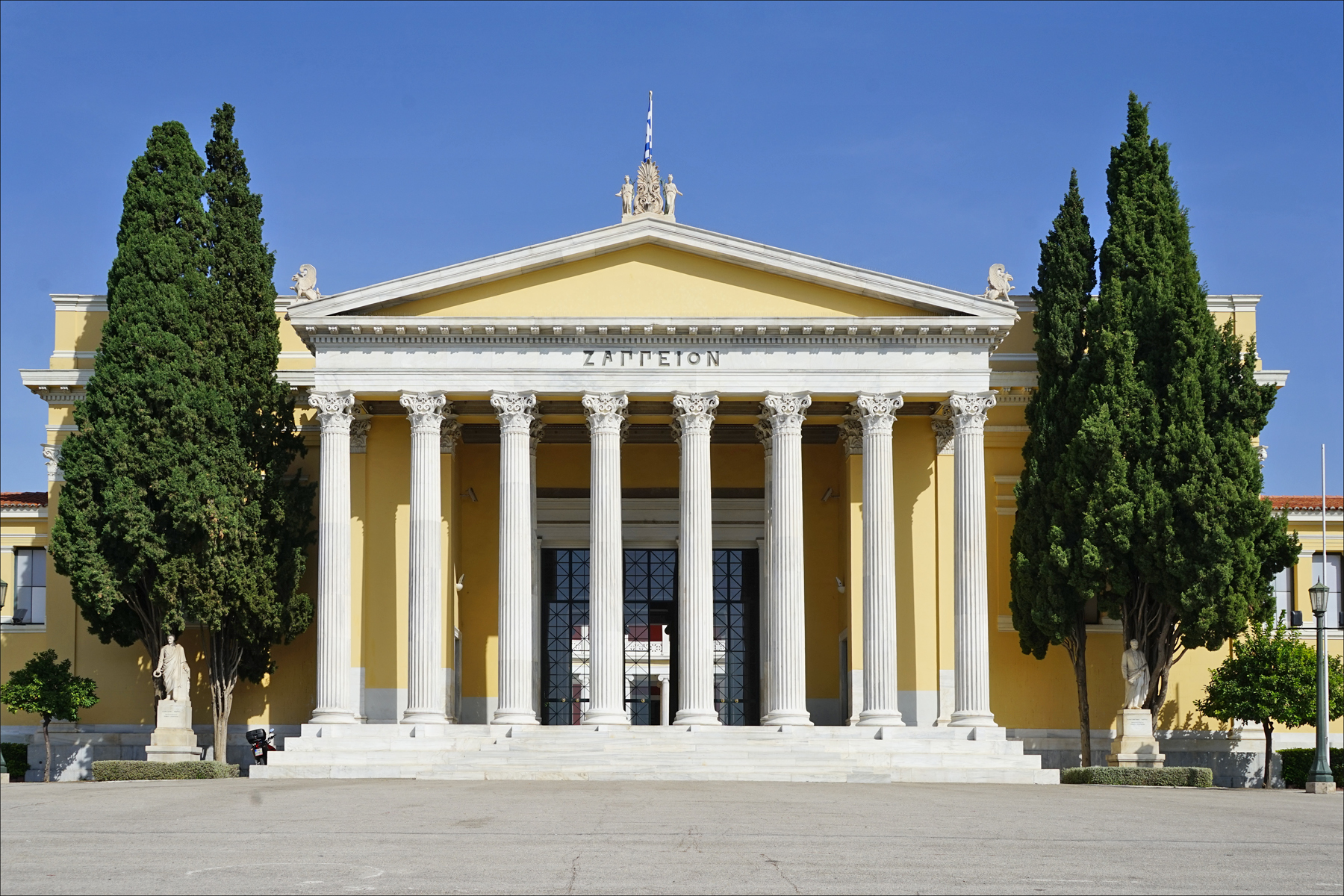
The Zappeion Megaron belongs to the network of archaeological sites and sites of cultural interest of Athens. It is located on Vasilissis Olgas Avenue in Athens, on an area of approximately 125,000 m², bounded to the northeast by the National Garden, to the east by Irodou Attikou Street, to the southeast by Vasileos Konstantinou Avenue, to the southwest by Vasilissis Olgas Avenue and to the northwest by Vasilissis Amalias Avenue.
The Zappeion Megaron is the most important example of a monument in Greece in continuous use from its foundation to the present day, and indeed at the highest level. It has always been a landmark of modern Athens and is closely linked to events of major significance for Greece.
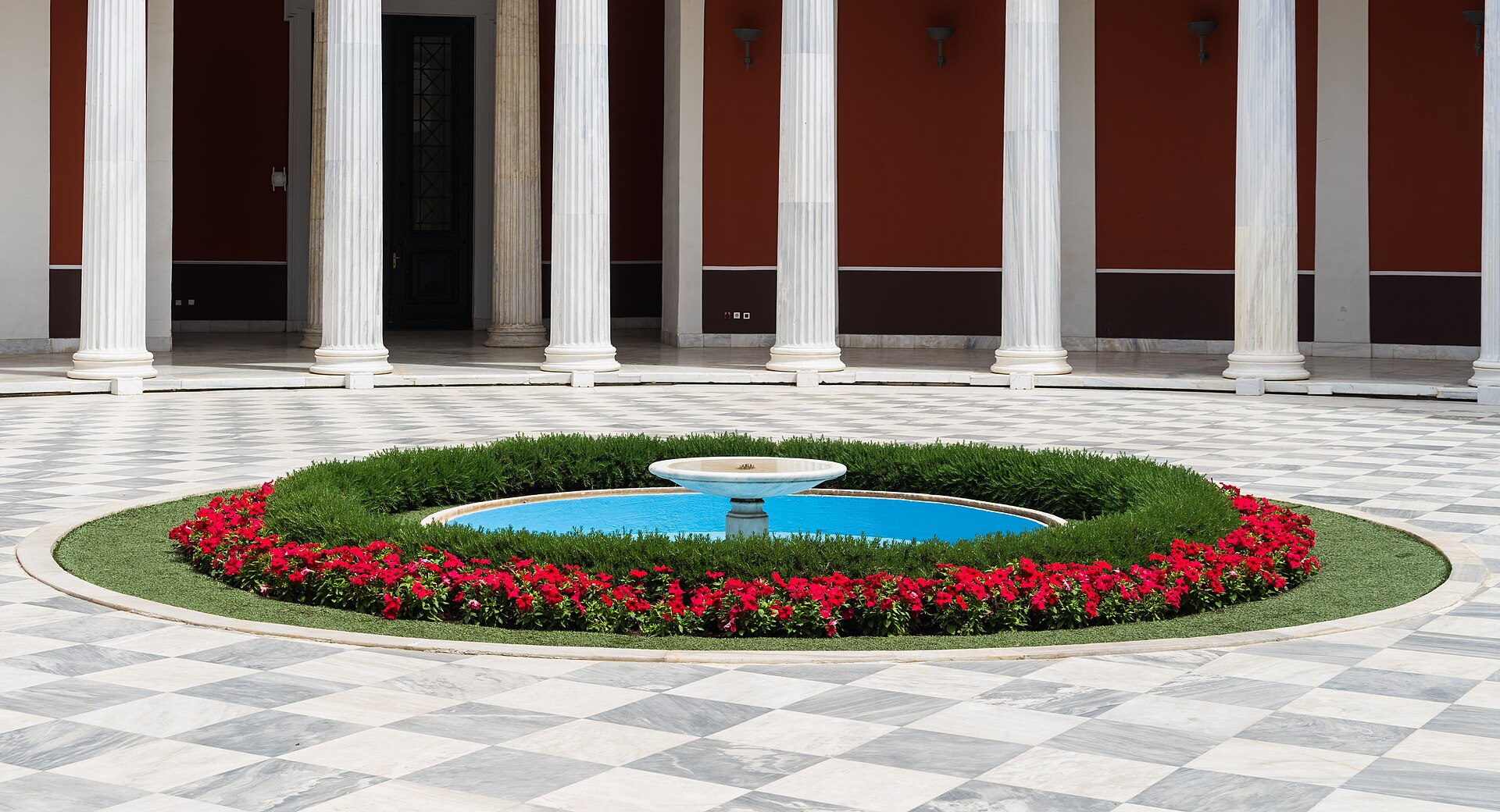
Its contemporary role covers the hosting of events in a wide range of spaces with different characteristics. The environment it offers is unique, with spatial qualities that cannot be found in other buildings offering similar services. It combines its neoclassical heritage superbly with modern technological developments.
For the successful fulfilment of its role, consistent and continuous maintenance of its envelope and its electromechanical equipment is essential. While the condition of the envelope is satisfactory, with no visible pathologies and all its visible morphological elements well maintained, the electromechanical installations are able to fulfil their role, but in an extremely energy-intensive way. The energy upgrade should therefore ensure:
– a reduction of annual primary energy consumption by at least 50%,
– an upgrade to energy class C,
– improved thermal and visual comfort for the users of the building,
– a reduction in CO2 emissions and thus healthy indoor conditions (in particular, eliminating the risk of release of toxic asbestos microfibres into the space),
– control and safety of the premises, as well as
– promotion of the exemplary role of the public sector, so that publicly owned buildings serve as an example of the potential for energy savings.
This is achieved through targeted interventions on the building envelope that do not alter its morphological elements and character, such as the installation of secondary window frames on the interior and the configuration of the false ceilings to accommodate the new lighting system. In addition to the interventions on the building envelope, an upgrade of the electromechanical equipment is also necessary (replacement of the existing heat pumps and the 13 central air-handling units, replacement of all fixed-speed pumps, replacement of the existing heating/cooling network, replacement of the existing central control system, installation of new LED luminaires).

 NSRF 2021–2027 – co-financed by the European Union